The journey of excellence
For top-performing employee benefit plan fiduciaries, excellence requires constant improvement.
Here’s where to focus.

Overview
Excellence is not a static achievement but a continuous journey in the realm of employee benefit plans. For executives serving as plan fiduciaries, this journey involves a steadfast commitment to stewardship, ensuring that their plans maximize participants’ benefits while adhering to regulatory requirements. Excellence is experienced by diligence, resilience, and proactive management.
Plan fiduciaries are critical in managing retirement and healthcare plans governed by the Employee Retirement Income Security Act (“ERISA”). Their duties encompass various activities, from selecting investment options, ensuring compliance with legal standards, and only hiring service providers who charge reasonable fees. The fiduciary role is defined by a duty of loyalty and prudence, requiring fiduciaries to act solely in the interest of plan participants and beneficiaries.
Continuous improvement and resilience: Traits of excellent stewards
Continuous improvement means aligning with evolving best practices and regulatory changes. For example, fiduciaries must stay informed about updates to ERISA regulations and adjust plan policies accordingly. This proactive approach ensures that the plans remain compliant and continue to meet the needs of participants.
Resilience is also crucial.
- The landscape of employee benefits is constantly changing
- Economic shifts affect vendors’ fees
- Technological advancements introduce opportunities and risks
- Demographic trends drive benefits features
Fiduciaries must be agile, ready to implement new strategies and solutions that enhance plan performance and participant satisfaction. This might involve adopting new investment options, integrating advanced cybersecurity measures, or improving communication channels with plan participants.
Effective risk management is a cornerstone of fiduciary excellence.
For over 25 years, Roland|Criss has earned the trust of our clients, allowing us to deeply understand the impact of regulatory and risk requirements on their employee benefit plan operations. By leveraging our industry expertise, proprietary technology, and cutting-edge skills, we provide managed services that enable you to achieve scalable outcomes.
The Right Pathway
Excellence for fiduciaries of employee benefit plans involves a steadfast commitment to acting in the best interests of plan participants and beneficiaries. Our capabilities help ensure that your pursuit of excellence follows the right pathway.
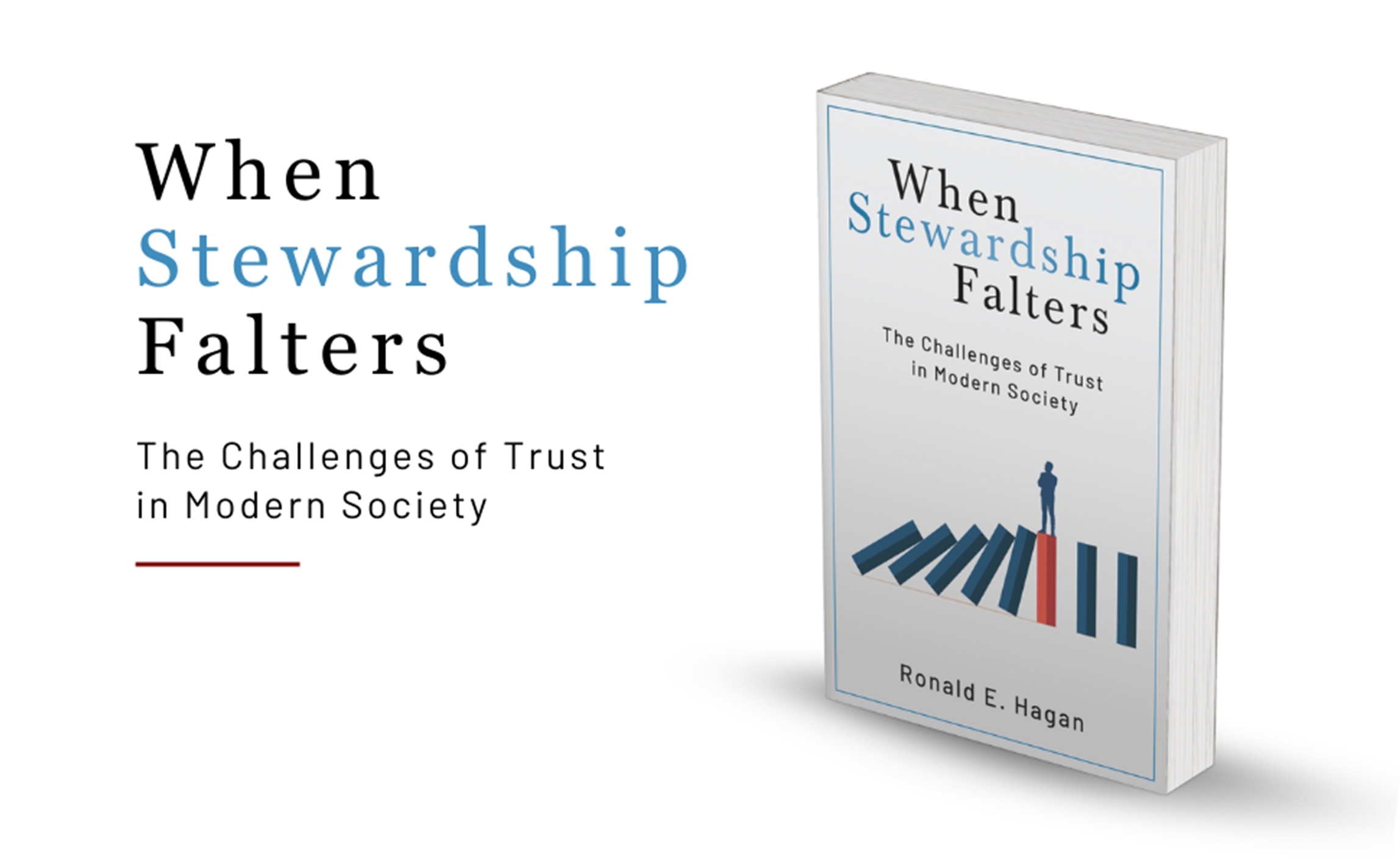
When Stewardship Falters takes a thoughtful look at how the idea of stewardship plays out—and sometimes breaks down—across five key areas: retirement and welfare systems, the natural environment, government decisions, corporate actions, and financial institutions.

Principled performance supports fiduciary excellence by ensuring that an organization reliably achieves its objectives while addressing uncertainty and acting with integrity, thereby fulfilling its fiduciary duties responsibly and ethically.

Human resources leaders are legal fiduciaries to their organizations’ employees. Stewardship and trustworthiness emerge not just as theoretical guiding principles but are embedded, essential ingredients in executive responsibility.
Join Our Journey Towards Excellence

How we help our clients
maintain excellence
Our firm’s guidance for managing other people’s assets can be seen in various ways, including:
- Transparency and Communication: Regular, clear, and honest communication with clients about their assets, performance, and any changes in strategy. This builds trust and ensures clients are always informed.
- Risk Management: Implementing robust risk management strategies to protect assets from market volatility and other potential threats. This includes diversification, hedging, and continuous monitoring of market conditions.
- Performance and Returns: Consistently achieving or exceeding performance benchmarks and delivering strong returns on investments. This demonstrates the manager’s ability to make sound investment decisions.
- Client-Centric Approach: Tailoring investment strategies to meet the specific goals, risk tolerance, and time horizon of each client. This personalized approach ensures that the client’s needs and preferences are prioritized.
- Ethical Standards: Adhering to high ethical standards and regulatory requirements. This includes avoiding conflicts of interest, ensuring fair practices, and maintaining integrity in all dealings.
- Innovation and Adaptability: Staying ahead of market trends and continuously seeking innovative investment opportunities. This also involves adapting strategies in response to changing market conditions and client needs.
- Education and Empowerment: Educating clients about their investments and the rationale behind decisions. Empowering clients with knowledge helps them feel more confident and engaged in the management of their assets.
- Technology Utilization: Leveraging advanced technology and data analytics to track vendors’ cybersecurity traffic, enhance decision-making, improve efficiency, and ensure fiduciaries receive adequate reporting from the plan’s investment advisor.

